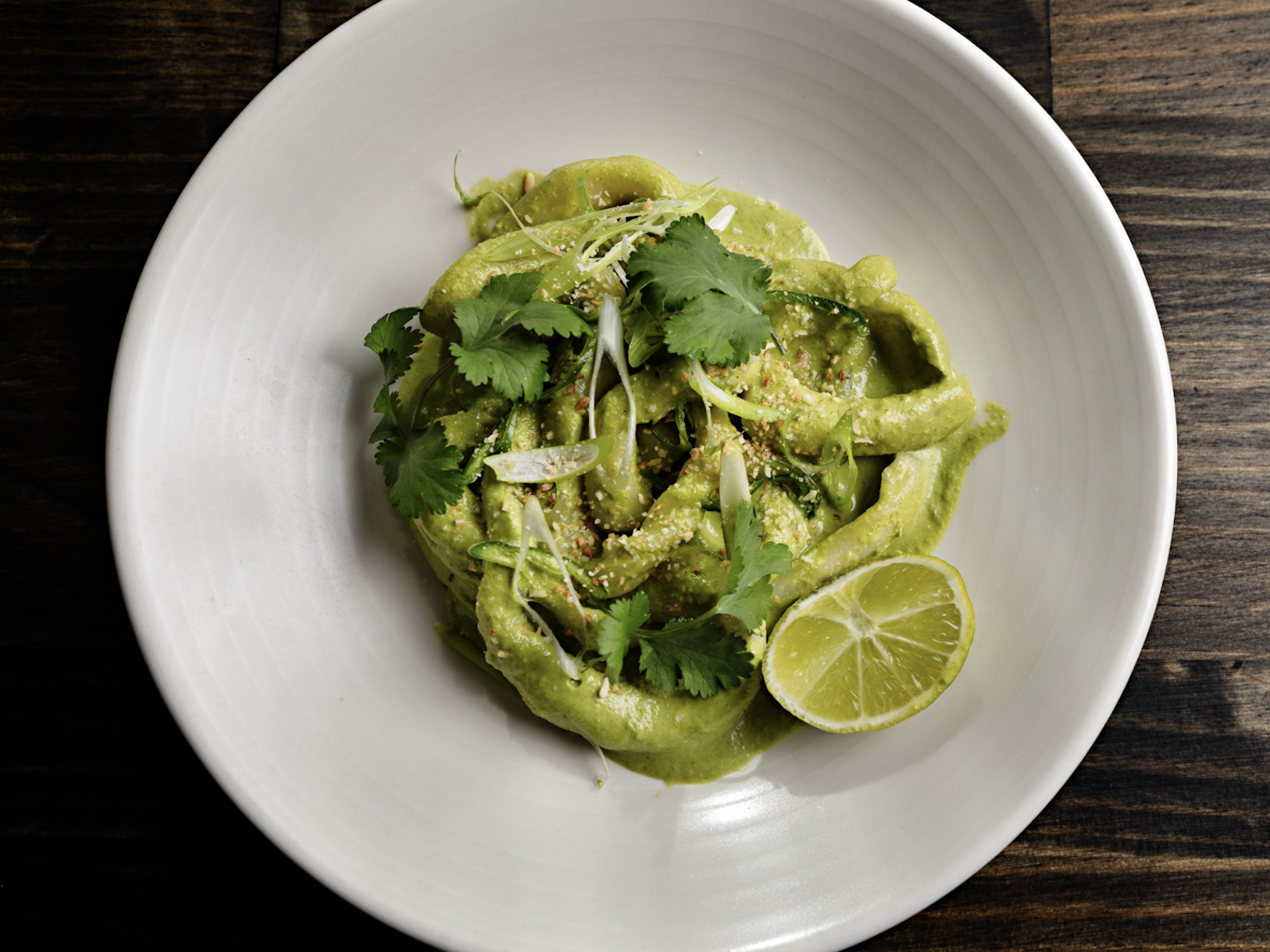
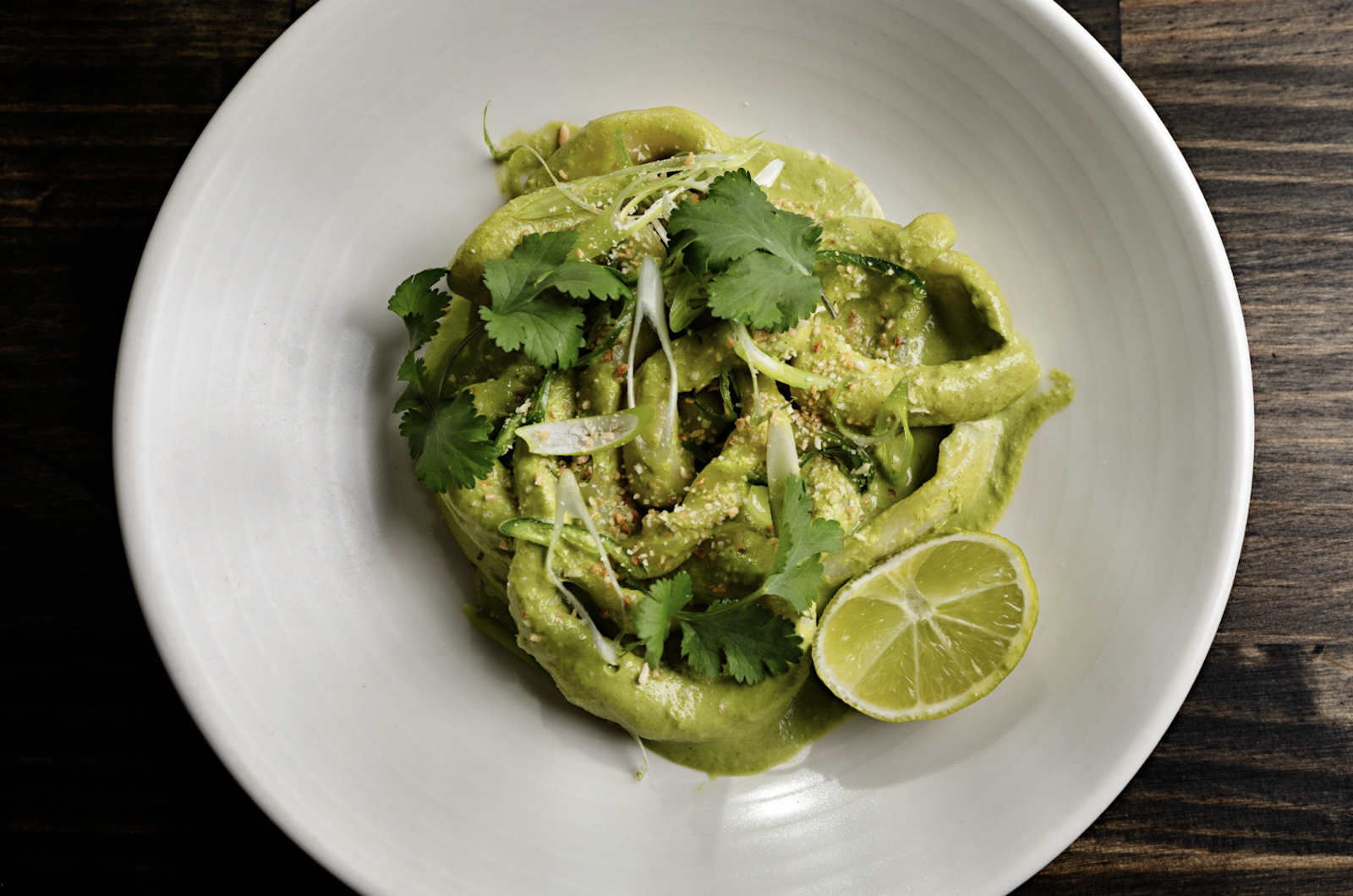
Longevity noodles are a traditional Chinese noodle dish eaten to celebrate long life, health and happiness – especially at birthdays, Lunar New Year and other milestone celebrations.
What makes them special is both how they’re served and how they’re eaten. The noodles are intentionally left long and uncut, symbolising a long life. Cutting or breaking them is traditionally avoided, as it’s thought to ‘shorten’ the good fortune they represent.
The curry spice flavours in this recipe are gentle and savoury, letting the symbolism take centre stage.
These longevity noodles have been created at Thousand Pound restaurant in Rutherglen, Victoria, where they have been a beloved dish on rotation. The talented kitchen team is led by Executive Chef Jack Cassidy, whose Asian heritage and culinary expertise bring authentic flavours and techniques that truly set this venue apart. Make sure you put Thousand Pound on your itinerary next time you visit the region.
Keep the screen of your device on
Longevity Noodles
 Recipe by Thousand Pound, Rutherglen, Victoria
Longevity noodles aren’t about complexity – they’re about intention. Slurping them up in long strands is considered good luck, and the act of eating them becomes part of the celebration itself.
2
servings30
minutes30
minutes30
minutesIngredients
250 g 1/2 lb plain flour
138 ml 4 2/3 fl oz cold water
2 g 1/8 oz salt
- Curry Paste
1 1 long green chilli
1 1 green shallot, trimmed
3 3 garlic cloves, peeled
1/2 stick 1/2 stick lemongrass
5 cm 5 cm piece fresh ginger
5 cm 5 cm piece galangal
1 bunch 1 bunch fresh coriander, a few sprigs reserved for garnishing
1 1 lime, juiced
2 tsp 2 tsp vegetable oil
250 ml 8 4/7 fl oz coconut cream
4 4 makrut lime leaves
Fish sauce, to taste
Caster sugar, to taste
Fresh lime juice, extra, to taste
1 1 green shallot, extra, sliced diagonally
Sea salt flakes, to serve
Crushed fried shallots, to sprinkle
2 2 lime cheeks
Method
- To make the noodles, place plain flour, water and salt in a mixing bowl and stir until a shaggy dough forms. Transfer to a lightly oiled bench (this prevents sticking). Bring the dough together and, once it feels tight, place it in a lightly oiled bowl and rest for 10 minutes; don’t worry if it’s not yet smooth.
- Knead the dough until firm, then rest again for 10 minutes. Repeat once more. By the final rest, the dough should be smooth and supple.
- To shape the noodles, divide the dough into 2 portions and roll each on a lightly oiled surface, as you would gnocchi, working it back and forth until long strands form.
- Blanch noodles in boiling, salted water for 3–4 minutes, depending on thickness. Once cooked, coat lightly in oil to prevent sticking.
- To make the curry paste, blend the chilli, eschalot, garlic, lemongrass, ginger, galangal, coriander, lime juice and vegetable oil in a high-speed blender until a coarse paste forms.
- In a medium saucepan, warm the coconut cream with the makrut lime leaves, then stir in the curry paste. Cook, stirring occasionally, over medium heat for 15-20 minutes, or until the raw edge is gone and the paste is aromatic and well integrated. Once satisfied with the flavour, strain through a fine sieve into a bowl.
- Season curry paste with fish sauce, sugar and lime juice to taste – start small, as you can always add more but not take it away.
- To assemble, add the 2 noodles and curry paste to a pan and gently warm through over medium-low heat. Take care not to stir too vigorously, as the noodles may break. Once heated through, it’s ready to serve. Arrange noodles on serving plates. Top with extra shallot, and sprinkle with sea salt flakes and fried shallot. Serve topped with reserved coriander sprigs and with lime cheeks alongside.
Did you make this recipe?
Tag @foodandvineoz on Instagram and hashtag it with #foodandvine
Love this recipe?
Follow @foodandvine on Pinterest – it’s where your food and wine tastebuds collide
Join our Facebook page!
Follow Food & Vine on Facebook